
 English
 Shqip
Shqip لالعربية
 Polski
 رسی
رسی Deutsch
 Русский
 한국어
한국어 Nederlands
 Čeština
 Bahasa Melayu
 Português
 日本語
日本語 Svenska
 Kiswahili
 ไทย
ไทย Türkçe
 Українська
 Español
 Italiano
 हिन्दी
 Bahasa Indonesia
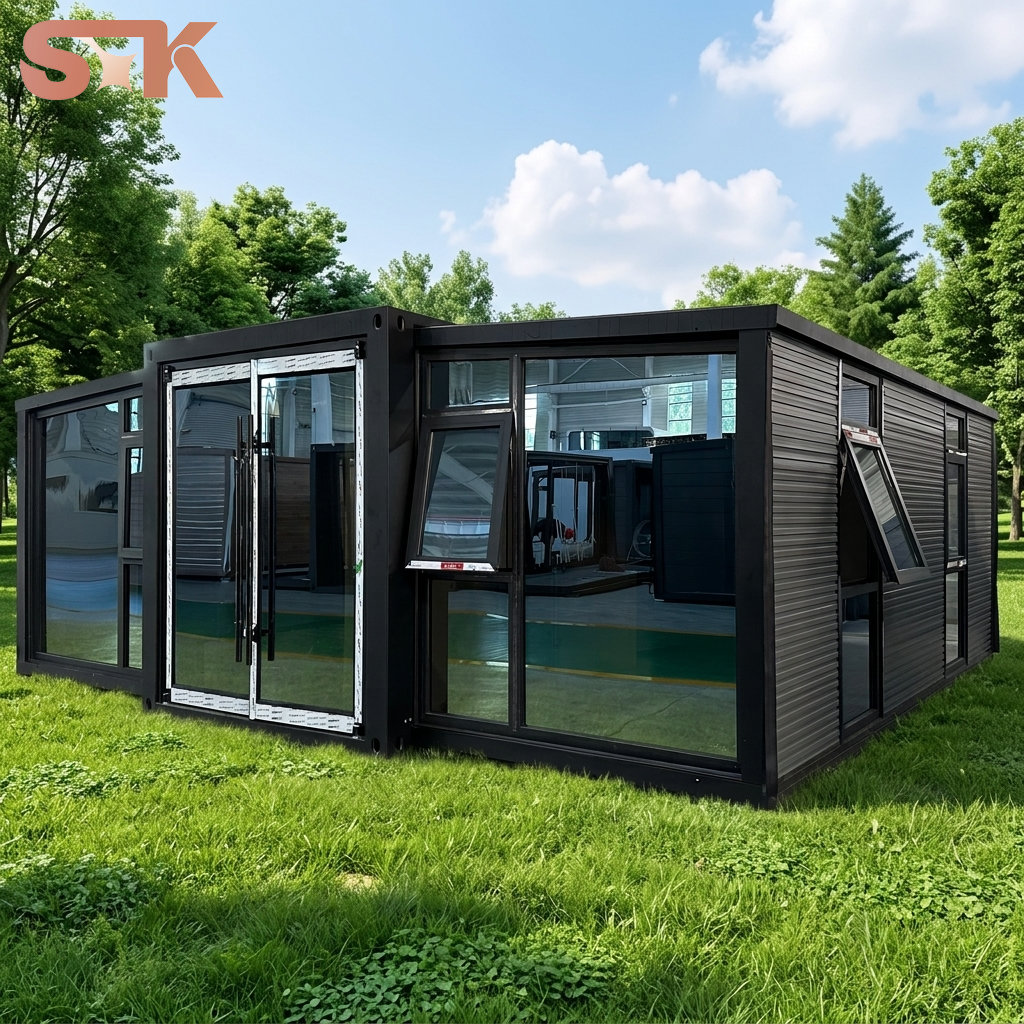
Maison de conteneurs extensible à l'étranger : points faibles et examen de la comparaison des produits
1. Points douloureux de l'industrie de base à l'étranger
Expandable Houses
1,1 Défaillances structurelles et mécaniques (principales plaintes)
Les unités extensibles souffrent d'une usure élevée des rails coulissants télescopiques, des charnières et des systèmes hydrauliques. Les modèles à bas prix subissent généralement des fuites d'huile, des coincements et une mauvaise rétraction après 3 à 5 ans de service. L'exposition aux UV et le vieillissement des joints en caoutchouc provoquent des fuites d'eau, entraînant la rouille du cadre en acier, en particulier dans les zones côtières de brouillard salin.
Sévère
thermal bridge condensation is a typical defect. Exposed steel telescopic frames conduct heat rapidly, resulting in interior condensation, mold growth and high heating costs in cold climates. Most entry-level Chinese versions lack professional broken-bridge insulation design.
1.2 Local Mismatch of Electrical & Plumbing Systems
Most export stock houses adopt Chinese standard configurations, which cannot match overseas local codes. Common mismatches include:
Electricity: 110V (US) / 230V (EU) standards, different socket layouts and lacking SAA/CE certifications, leading to on-site full rewiring.
Plumbing & Sanitation: Inconsistent toilet rough-in dimensions, missing trap vents and unmatched pipe calibers, causing sewer odor and drainage failures.
1.3 Policy, Zoning & Property Restrictions
Different countries and states classify expandable houses differently as either temporary buildings or permanent residences. This leads to huge market barriers:
Temporary building definition: limited service life (3–5 years in most regions), unstable occupancy legality.
Permanent building definition: high property tax, strict permit application and low mortgage approval rate.
Complicated local zoning codes, with many urban areas prohibiting permanent installation.
1.4 Logistics, Installation & After-Sales Defects
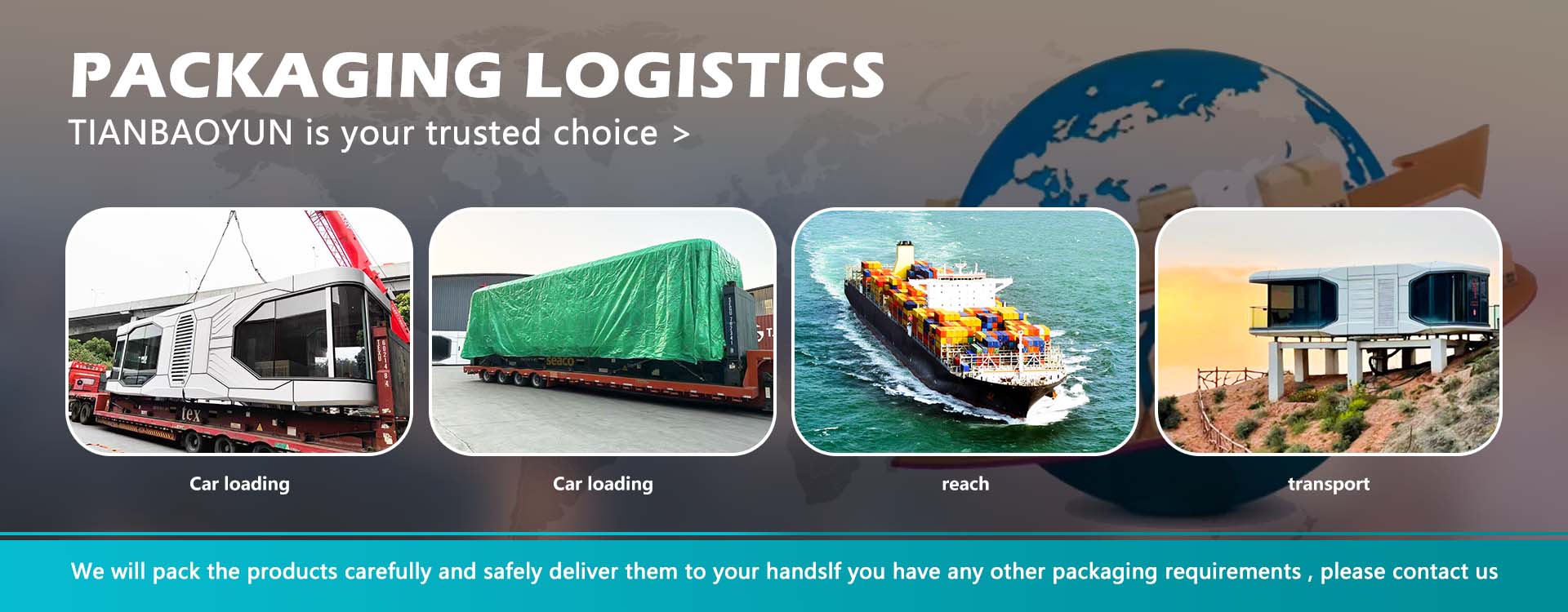
Although the folded size matches standard container dimensions, 40ft expandable units weigh 12–16 tons, requiring cranes or forklifts for unloading, which is inaccessible in remote areas. Cross-border after-sales support is inefficient; spare parts delivery takes 1–3 months, resulting in long downtime for minor faults.
1.5 Living Experience Deficiencies
The expanded wing areas have lower floor height and weaker load-bearing capacity, disallowing second-floor construction. Gaps between splicing structures cause poor sound insulation, wind leakage and mosquito intrusion problems.
2. Mainstream Product Horizontal Comparison (2026 Overseas Version)
Comparison Dimension: Price, Shipping, Installation, Durability, Insulation, Compliance & Application Scenarios
Comparison Items | USA Boxabl Casita (High-end) | Chinese Hydraulic Expandable House (Main Export Model) | Folding Container House | Flat Pack Container House |
|---|---|---|---|---|
Unit Price (32㎡, USD) | $58,000–$68,000 | $22,000–$38,000 | $18,000–$29,000 | $15,000–$24,000 |
Shipping Capacity | 1 set / 1 container | 2 sets / 1 container | 4 sets / 1 container | 6–8 sets / 1 container |
On-site Setup Time | 1h (fully automatic hydraulic) | 1.5–2h (hydraulic/manual) | 3–5h (crane required) | 2–3 days manual assembly |
Lifting Requirement | Small forklift available | Forklift preferred | Truck crane mandatory | No crane needed |
Service Life | 25–30 years | 15–20 years (high-spec) | 12–16 years (hinge fatigue risk) | 20–25 years (no telescopic structure) |
Thermal Insulation | Full PU sealing, low thermal bridge | High-spec: broken bridge insulation; Low-spec: obvious heat loss | Rock wool sandwich, poor gap insulation | Integrated panel, no thermal bridge |
Local Compliance | Full US standard + ICC certification | Custom EU/US/AU standard available | Basic CE, hard for permanent approval | Flexible certification, easy local approval |
Core Disadvantages | High premium, no customization, long lead time | Regular maintenance for telescopic parts | Fragmented space, poor comfort | Long construction cycle, no instant occupancy |
Best Application | North America ADU, high-end resort, private residence | Campsite B&B, emergency housing, farm auxiliary room | Construction site dormitory, mine camp | Low-cost rental housing, batch resettlement |
3. Regional Market Pain Points & Selection Guide
3.1 North America (USA & Canada)
Key Pain Points: Strict building codes, mandatory US-standard electrical/plumbing, rigid foundation supervision.
3.2 Australia & New Zealand
Key Pain Points: Strong UV radiation, coastal salt corrosion, mandatory SAA electrical certification.
3.3 Europe (EU & Nordic)
Key Pain Points: Severe cold climate, high energy-efficiency standards (EPBD), strict CE full certification.
3.4 Southeast Asia
Key Pain Points: High temperature, heavy rainfall, priority on low cost and waterproof performance.
4. Optimized Upgrade Solutions (Factory Improvement Standard)
Structural Upgrade: Hot-dip galvanized frame for coastal areas, EPDM marine-grade sealing strips, broken-bridge thermal insulation design to eliminate condensation.
Localized Pre-installation: Pre-fitted US/EU/AU standard electrical systems, sockets, water pipes and sanitary ware to avoid on-site renovation.
Complete Certification Documents: Provide CE, ICC, fire-proof reports and structural calculation drawings to support local permit application.
After-sales Optimization: Standardized spare parts package and localized operation manuals to reduce maintenance costs.


