
 Shqip
Shqip لالعربية
 Polski
 رسی
رسی Deutsch
 Русский
 Français
 한국어
한국어 Nederlands
 Čeština
 Bahasa Melayu
 Português
 日本語
日本語 Svenska
 Kiswahili
 ไทย
ไทย Türkçe
 Українська
 Español
 Italiano
 हिन्दी
 Bahasa Indonesia
SXKON 20ft Folding House: A New Standard in Portable Living That Actually Works
When you first hear about a house that folds into the size of a shipping container, it sounds like something from a tech demo—impressive but impractical. The SXKON 20ft folding house, however, has been quietly proving that it is neither a gimmick nor a compromise. Over the past year, this expandable unit has been deployed in remote work sites, emergency housing projects, and even backyard guest suites, earning a reputation for durability that stands apart from the usual prefab offerings.
What makes the 20ft model different
At its core, the SXKON 20ft folding house starts as a standard 20‑foot container footprint—about 160 square feet folded—but expands to roughly three times that size once set up. The mechanism relies on hydraulic‑assisted fold‑out panels that lock into place without the need for cranes or heavy equipment. Two people can complete the setup in under an hour, a detail that matters for contractors and disaster response teams who cannot afford delays.
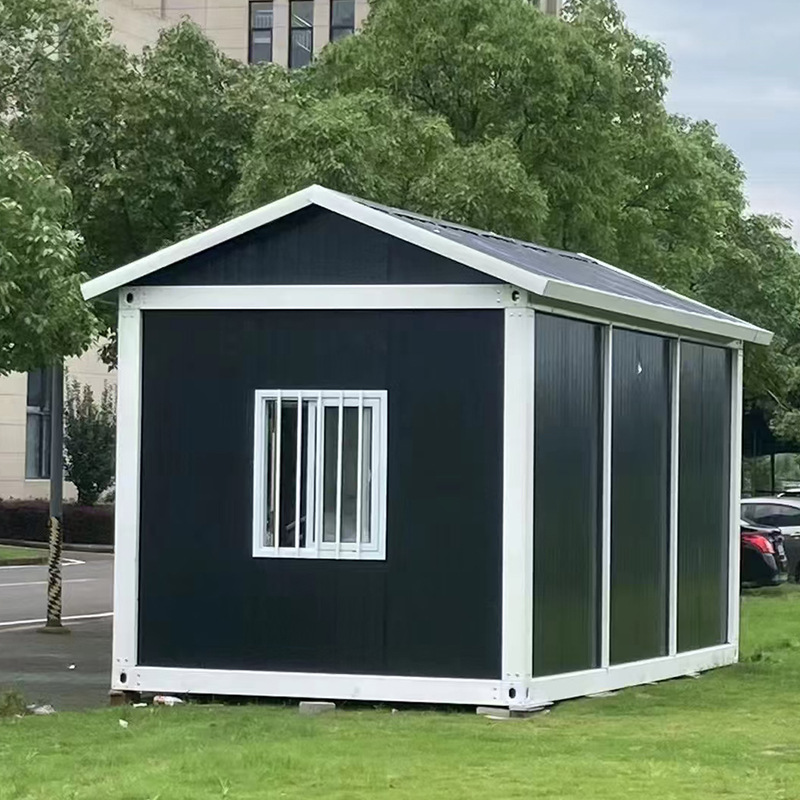
The structure itself is built with a galvanized steel frame, and the walls incorporate a composite insulation layer that keeps interior temperatures stable even when outside conditions swing between desert heat and mountain cold. SXKON’s engineering team openly shares third‑party wind and seismic test results, which show the unit handling sustained winds of 100 mph and meeting international building code standards for temporary structures. That level of transparency is rare in the modular housing sector, and it helps explain why the company has gained traction with government agencies and private developers alike.
Interior layout that avoids the usual trade‑offs
Most foldable homes force you to choose between a cramped living space and a complicated setup process. The SXKON 20ft folding house sidesteps that by dividing the expanded interior into three clear zones: a combined kitchen and living area, a separate bedroom, and a wet bath with a full‑size shower. The kitchen includes a two‑burner induction cooktop, a stainless steel sink, and a compact refrigerator—all standard, not add‑ons. Ceiling height in the expanded sections reaches eight feet, which makes the space feel less like a temporary shelter and more like a small apartment.
One detail that stands out is the electrical system. Instead of relying on a single exterior hookup, the house comes with a built‑in breaker panel that supports solar input, generator connection, or standard grid power. Buyers can choose a version with a pre‑installed 5kWh lithium battery bank, which allows the unit to run lights, a small water heater, and a mini‑split air conditioner for several hours off‑grid. This flexibility makes it equally useful for a construction camp, a remote vacation cabin, or a permanent accessory dwelling unit where utility connections are limited.
Real‑world use cases and user feedback
Over the past eighteen months, SXKON has delivered more than 400 units across North America, Australia, and parts of Europe. Feedback from owners frequently mentions two things: the ease of moving the unit with a standard flatbed truck, and the fact that nothing rattles loose during transport. In one documented case, a housing nonprofit in Texas used twelve of these units to create a transitional housing village, completing the entire site in less than two weeks. Residents reported that the insulation kept interiors comfortable through both summer heat waves and winter freezes—something that cannot be said for many portable structures.
Another user, a small business owner in Oregon, uses the SXKON 20ft folding house as a mobile design studio. He notes that the unit’s wall thickness and double‑paned windows make it quiet enough for client meetings, even when parked near a busy road. The company’s warranty covers the structural frame for ten years and the mechanical systems for three, which adds a layer of confidence for buyers who have been burned by cheaper alternatives in the past.
Why it matters in today’s housing landscape
The rise of foldable homes has been accompanied by plenty of hype. What sets the SXKON 20ft folding house apart is a focus on practical details: corrosion‑resistant coatings for coastal environments, standardized plumbing connections that match local codes, and a modular interior that allows for customization without requiring a full redesign. The company publishes a detailed installation manual online, along with video walkthroughs of the setup process, so buyers can see exactly what they are getting before committing.
For contractors, developers, and homeowners who need a structure that can be deployed quickly, moved when necessary, and still feel like a real living space, this model has emerged as a reliable option. It is not the cheapest foldable house on the market, but the combination of build quality, ease of transport, and verified performance data makes it a compelling choice for anyone who prioritizes durability over upfront savings.
As the demand for flexible housing continues to grow—driven by workforce shortages, climate‑related displacement, and the need for faster construction methods—the SXKON 20ft folding house represents a shift toward portable structures that are built to last, not just to ship. Whether used as a temporary shelter or a long‑term home, it delivers on the promise of foldable architecture without asking users to compromise on comfort or reliability.


