
 Shqip
Shqip لالعربية
 Polski
 رسی
رسی Deutsch
 Русский
 Français
 한국어
한국어 Nederlands
 Čeština
 Bahasa Melayu
 Português
 日本語
日本語 Svenska
 Kiswahili
 ไทย
ไทย Türkçe
 Українська
 Español
 Italiano
 हिन्दी
 Bahasa Indonesia

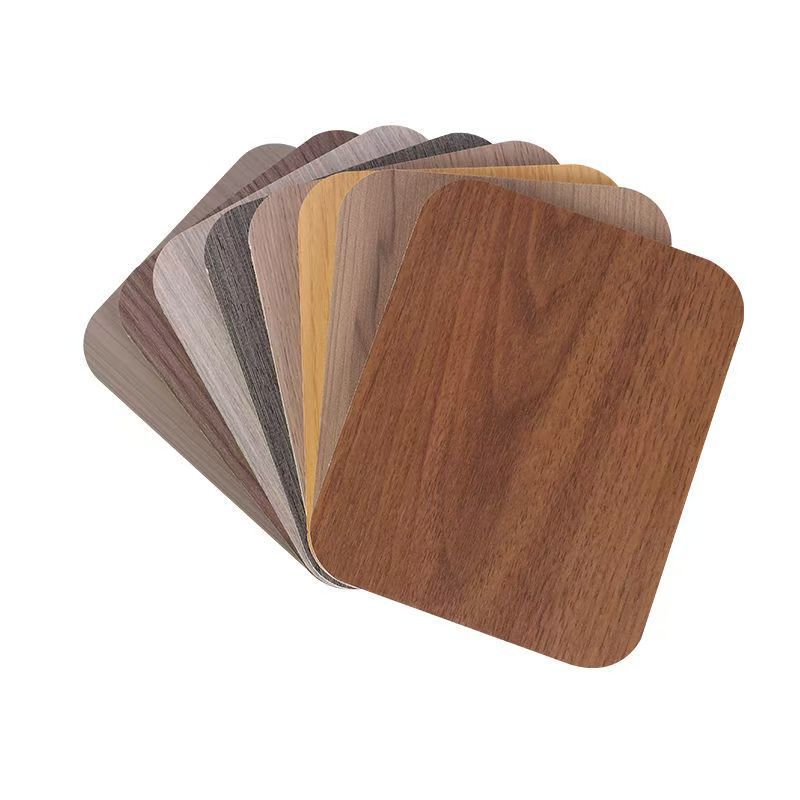
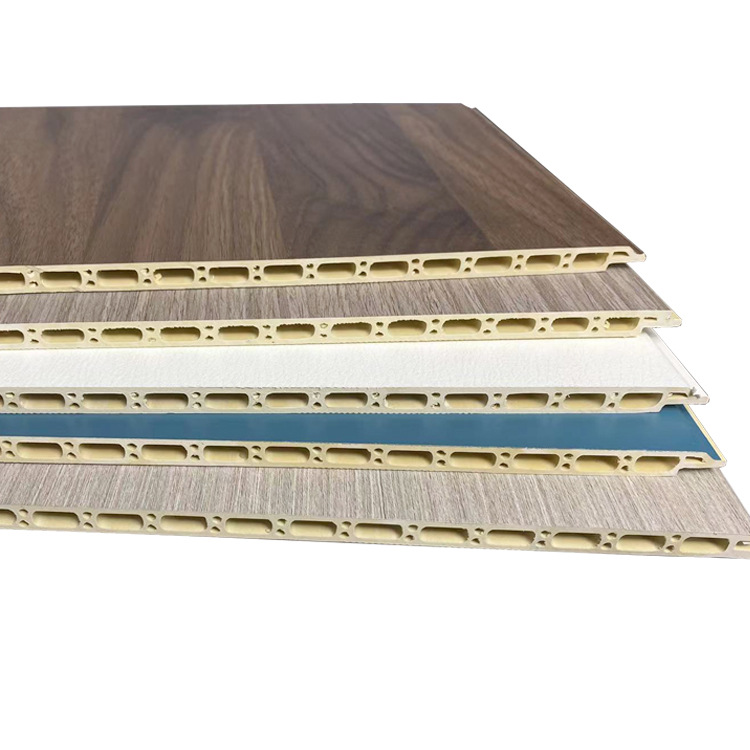
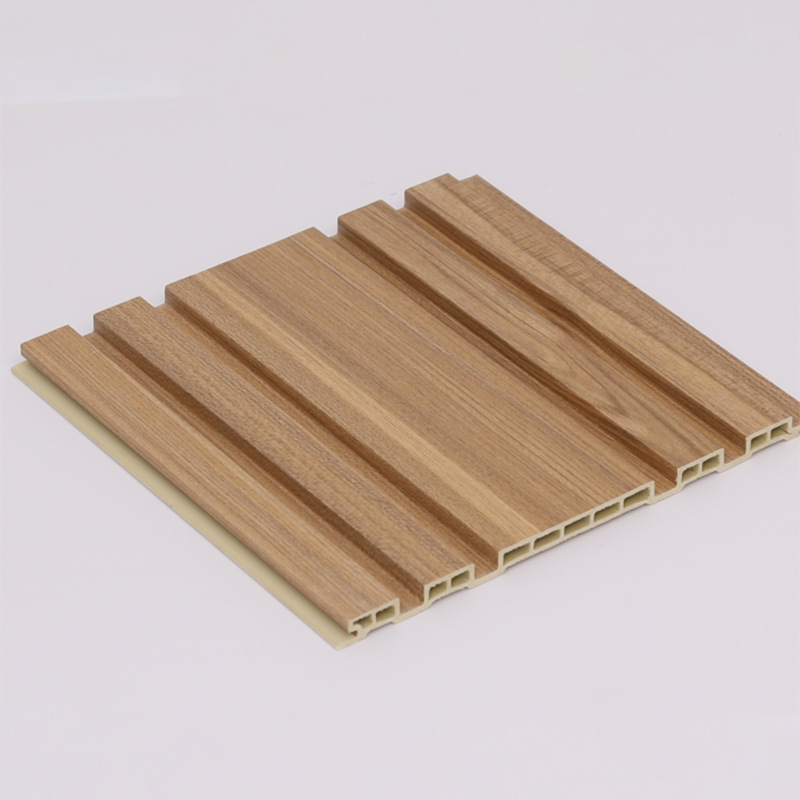
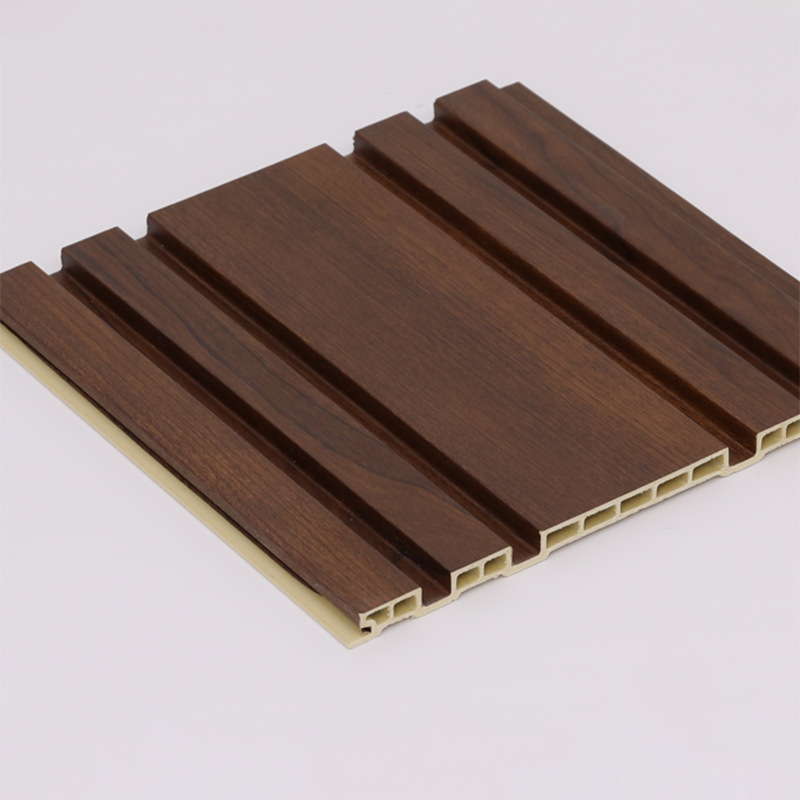
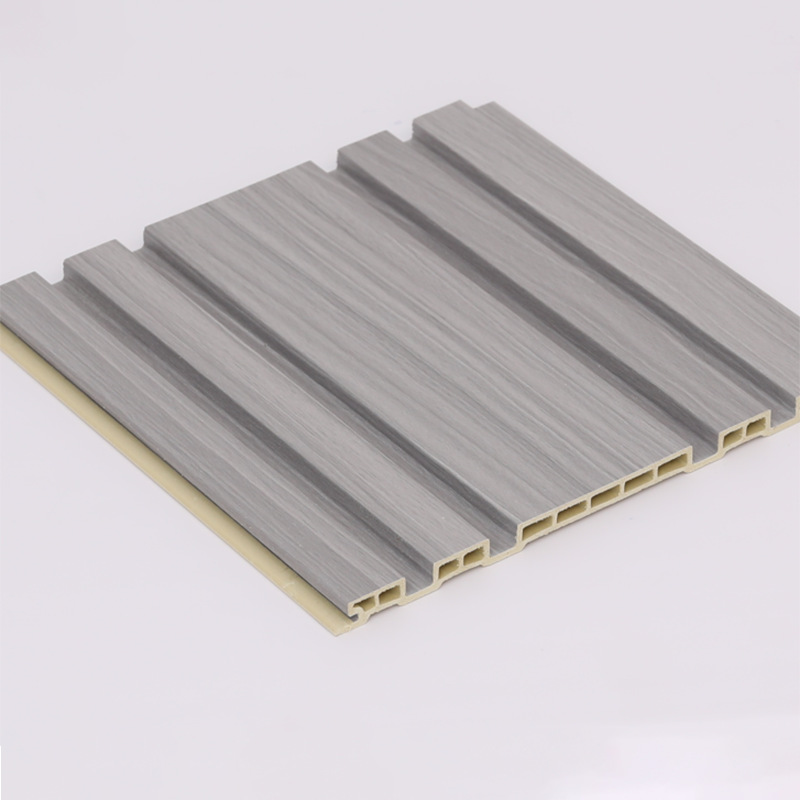
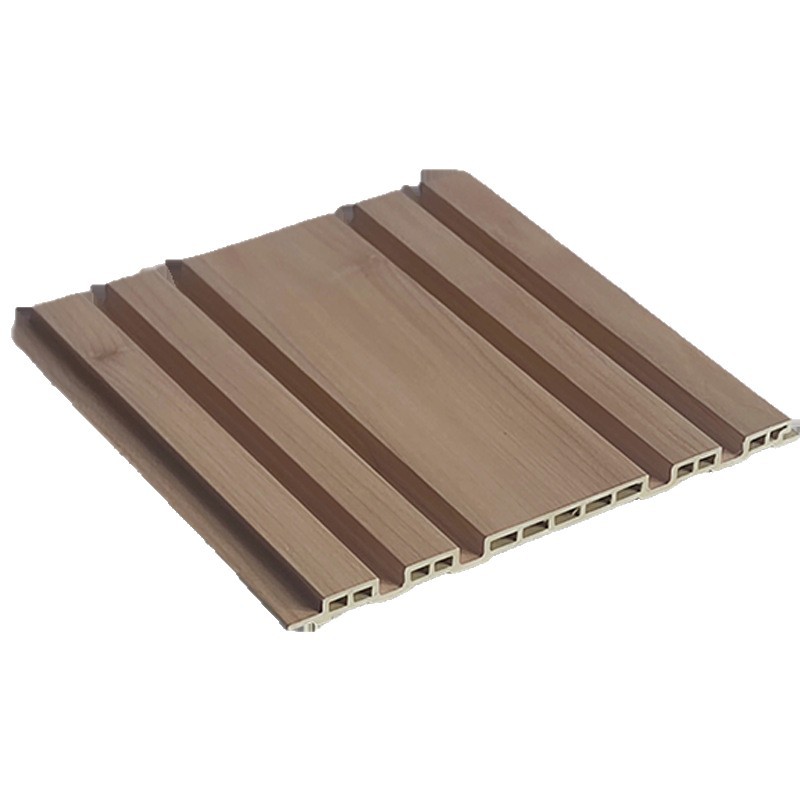
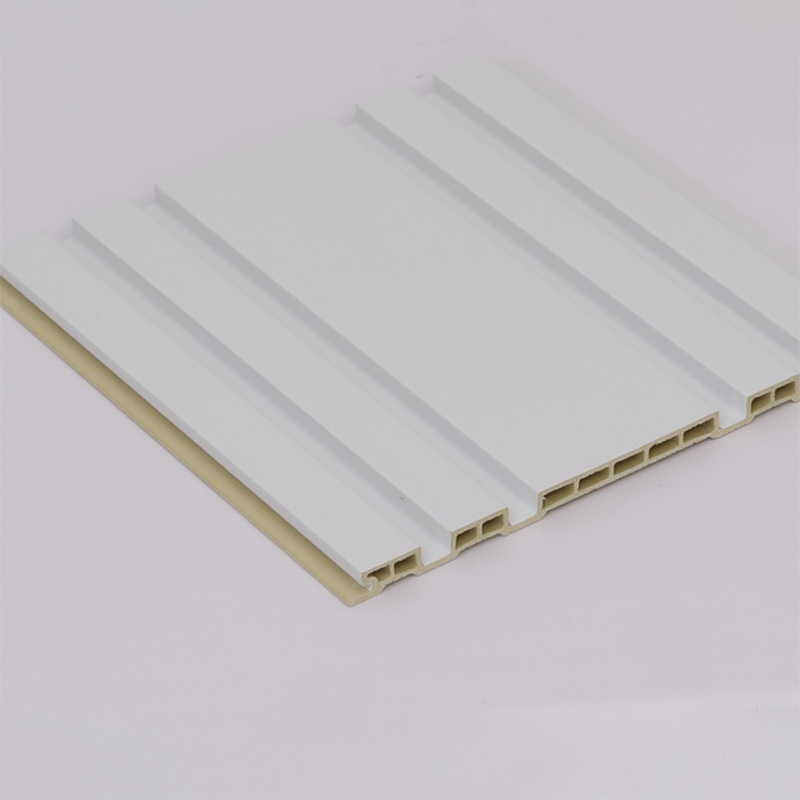
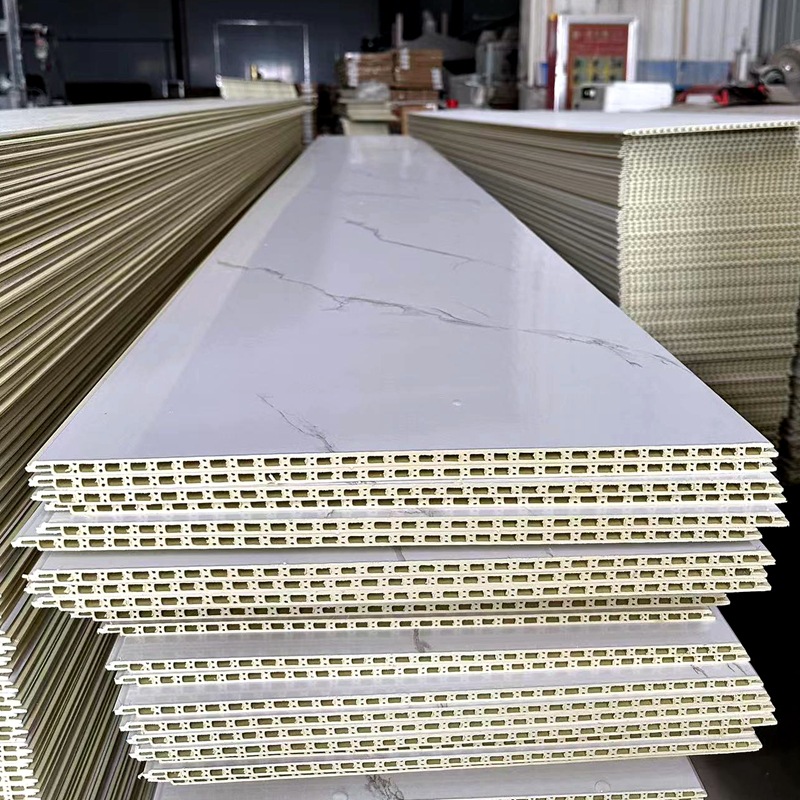
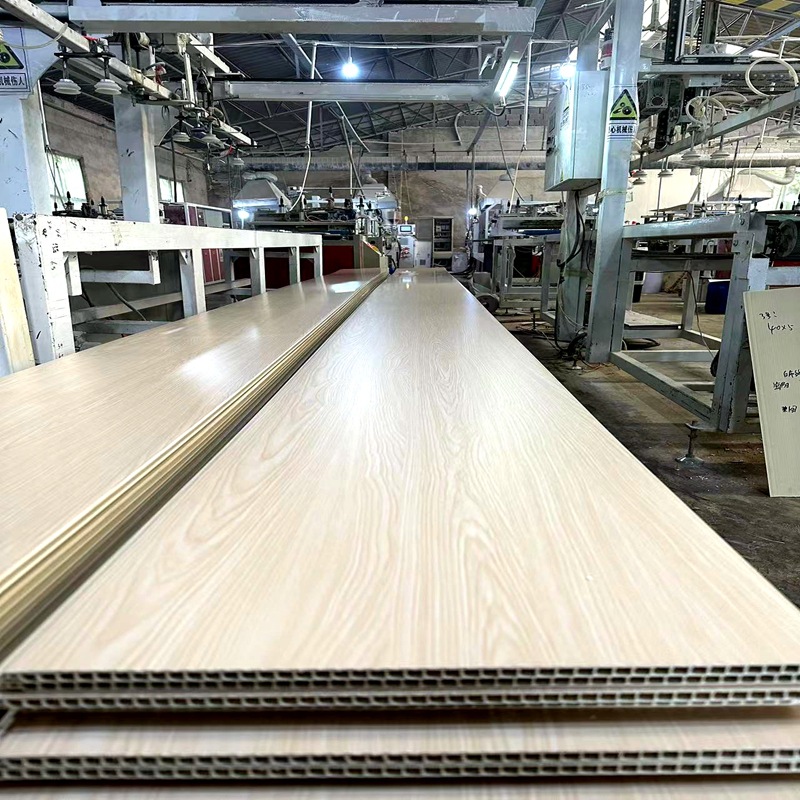
With the enhancement of environmental awareness and the demand for sustainable development, the selection of building and decoration materials has become increasingly important. Bamboo and wood fiberboard, as a new type of environmentally friendly material, has attracted attention and favor due to its unique properties and diverse application scenarios. So, what exactly is bamboo and wood fiberboard? What are its advantages and disadvantages?
I. What material is bamboo and wood fiberboard?
Bamboo and wood fiberboard is a new type of environmentally friendly building material made from bamboo fibers and wood fibers through high-temperature and high-pressure processing. It combines the excellent properties of bamboo and wood, and has advantages such as high strength, wear resistance, corrosion resistance, and environmental friendliness. Therefore, bamboo and wood fiberboard has been widely used in the fields of architecture and decoration.
II. Production Process of Bamboo and Wood Fiber Board
The production process of bamboo and wood fiberboard mainly consists of the following steps:
1. Raw material preparation: Select high-quality bamboo and wood, and process them through cleaning, cutting, and crushing to obtain fibers.
2. Fiber Mixture: Mix bamboo fibers and wood fibers in a certain proportion, and add an appropriate amount of adhesive and other auxiliary materials.
3. High-temperature pressing: The mixed fibers are pressed into a sheet under high temperature and high pressure to form the initial bamboo-wood fiber board.
4. Cooling and shaping: The plates that have undergone high-temperature pressing need to be cooled to ensure their structure becomes more stable.
5. Surface Treatment: Depending on the specific application requirements, the bamboo and wood fiber board is treated on the surface through methods such as painting, laminating, and printing, to enhance its decorative and durability properties.
III. Advantages of Bamboo and Wood Fiber Board
1.High environmental friendliness: The bamboo and wood fiberboard is mainly made from natural bamboo and wood, reducing the reliance on forest resources. Moreover, the adhesives used in the production process are mostly non-toxic and environmentally friendly materials, and they do not release harmful gases.
2. High strength and good wear resistance: The bamboo and wood fiber board has high strength and hardness, and possesses excellent wear resistance and impact resistance. It is suitable for high-strength applications such as flooring and furniture.
3. Waterproof, moisture-proof, mold-proof: The bamboo and wood fiber board has undergone special treatment and possesses excellent waterproof, moisture-proof and mold-proof properties. It is suitable for high-humidity environments such as kitchens and bathrooms.
4. Excellent soundproof and heat insulation performance: Due to the dense internal structure of bamboo and wood fiber board, it has excellent soundproof and heat insulation properties, which can enhance the comfort level of the interior.
5. Highly malleable and easy to process: Bamboo and wood fiberboard possesses excellent plasticity, allowing for various shapes of cutting and engraving to meet diverse design requirements. Additionally, its surface is smooth and flat, making it easy to paint and decorate.
6. Long service life: The bamboo and wood fiber board has excellent corrosion resistance and anti-aging properties, and has a long service life, reducing the frequency of replacement and maintenance.
IV. Disadvantages of Bamboo and Wood Fiber Boards
Although bamboo and wood fiber boards have many advantages, they also have some disadvantages:
1.Higher price: Due to the complex production process of bamboo and wood fiber boards and the high cost of high-quality raw materials, their market prices are relatively higher, which may increase the decoration costs.
2. Limited surface wear resistance: Although the overall wear resistance of bamboo and wood fiber boards is good, their surface wear resistance is relatively limited. Long-term and frequent use may cause surface wear.
3. Limited color and pattern options: Compared to other decorative materials, the color and pattern choices available for bamboo and wood fiber boards are relatively limited, which may not be able to meet the personalized needs of some users.
4. Production process dependent on equipment: The production process of bamboo and wood fiber boards has high requirements for equipment and technology. The technical level of the manufacturer and the advanced nature of the equipment directly affect the quality of the boards.
V. Application Scenarios of Bamboo and Wood Fiber Boards
The bamboo and wood fiberboard, due to its excellent properties, is widely used in various fields:
1. Interior decoration: Bamboo and wood fiber boards can be used for interior decoration such as walls, ceilings, and floors. They not only have decorative value but also enhance the comfort of the space.
2. Furniture Manufacturing: Bamboo and wood fiber boards can be used to make various furniture items such as tables, chairs, cabinets, beds, etc. They possess good durability and aesthetic appeal.
3. Building exterior walls: The waterproof and moisture-proof properties of bamboo and wood fiber boards make them suitable for exterior wall decoration of buildings, effectively resisting the erosion of wind and rain.
4. Garden landscape: The bamboo and wood fiber board can also be used for facilities such as pavilions, corridors and guardrails in the garden landscape. It is not only beautiful but also environmentally friendly.
VI. Guide for Selecting Bamboo and Wood Fiber Boards
When choosing bamboo and wood fiber boards, the following points can be referred to:
1. Quality inspection: Choose brands with a good reputation and credibility. Check whether the surface of the board is smooth and flat, and whether there are any quality issues such as cracks or bubbles.
2. Pay attention to environmental protection indicators: Review the environmental certification and test reports of the panels to ensure that their environmental performance complies with national standards and does not release harmful substances.
3. Understand the production process: Select manufacturers with advanced technology and complete equipment to ensure the production process and quality of the sheet materials are guaranteed.
4. Consider the price comprehensively: While ensuring the quality, take into account the price factor and choose the product with better value for money.
VII. Future Development Trends of Bamboo and Wood Fiber Boards
With the continuous enhancement of environmental awareness and the advancement of technology, the future prospects of bamboo and wood fiber boards are very promising. Here are some possible development trends:
1.Technological Innovation: With the continuous advancement of production technology, the performance and quality of bamboo and wood fiber boards will further improve, production costs are expected to decrease, and market competitiveness will increase.
2. Product diversification: In the future, the color and pattern options of bamboo and wood fiber boards will be more diverse, meeting the individualized needs of different users.
3. Expansion of application fields: The application scope of bamboo and wood fiber boards will continue to expand. Besides the traditional fields of construction and decoration, they may also enter other areas such as automobile manufacturing and household appliances.
4. International Market Expansion: As the demand for environmentally friendly building materials increases, bamboo and wood fiber boards are expected to go global and enter the international market, becoming a part of the global environmental-friendly building materials.
Bamboo and wood fiberboard, as a new type of environmentally friendly material, possesses numerous advantages such as high strength, wear resistance, water and moisture resistance, sound insulation, and heat insulation. It has a wide range of applications and a promising future. However, during the selection and usage process, one should also be aware of its high price and limited surface wear resistance. We hope that through this article's introduction, everyone can have a comprehensive understanding of bamboo and wood fiberboard and make better choices and use this high-quality and environmentally friendly building material.


