
 Shqip
Shqip لالعربية
 Polski
 رسی
رسی Deutsch
 Русский
 Français
 한국어
한국어 Nederlands
 Čeština
 Bahasa Melayu
 Português
 日本語
日本語 Svenska
 Kiswahili
 ไทย
ไทย Türkçe
 Українська
 Español
 Italiano
 हिन्दी
 Bahasa Indonesia

Home Extensions: A Growing Trend to Upgrade Living Space Without Moving
As remote work becomes routine and family lifestyles evolve, more homeowners are turning to home extensions as a practical alternative to relocating. Expanding an existing home is often more affordable than buying a new property and allows families to stay in their established neighborhoods while gaining the space and functionality they need.
Rising Demand for Space Fuels Popularity of Home Extensions
Modern households increasingly require dedicated areas for home offices, fitness zones, children’s playrooms, or hobby spaces. Traditional floor plans often fall short of these needs. Meanwhile, rising property prices and high transaction costs make moving to a larger home financially challenging.
This has made house extensions a popular solution. Whether it’s a side addition, an attic conversion, or a sunroom, more homeowners are choosing to expand on their existing lots to improve living quality without the stress of moving.
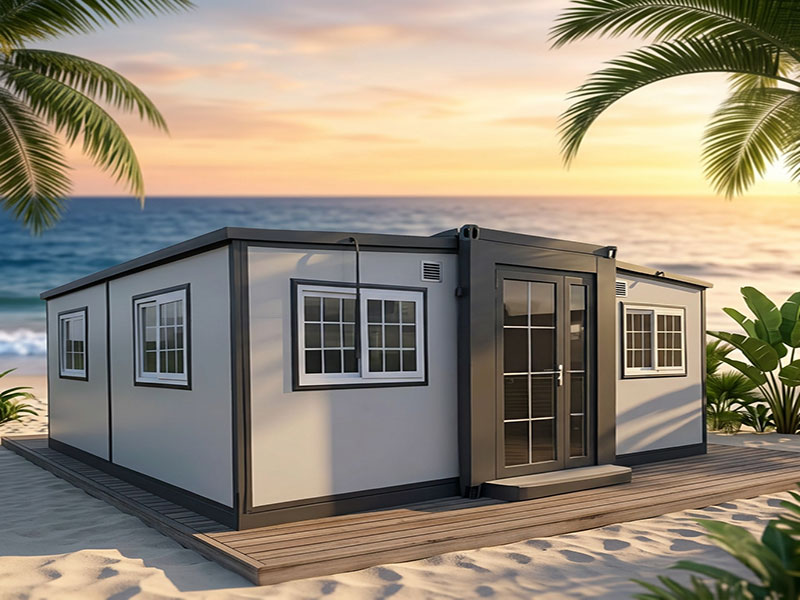
Three Main Types of Home Extensions
Home extensions typically fall into three categories:
Horizontal extensions (side or rear additions): Using available yard space to add new rooms or functional areas. Ideal for single-family homes or end-of-terrace houses with outdoor space.
Vertical extensions (loft or roof conversions): Converting unused attic or pitched roof space into habitable rooms, or legally adding a second story. Suitable for older homes with sufficient ceiling height.
Accessory Dwelling Units (ADUs): Building a separate small living unit on the property for elderly parents, rental income, or a private studio. ADU regulations have become more flexible in many areas.
Each type varies in cost, construction time, and permit requirements. Homeowners should evaluate their needs and local building codes before starting.
Permitting Processes Are Becoming Simpler
In the past, complex approval processes discouraged many from pursuing home extensions. But many cities have recently updated their renovation rules, introducing “notification-based permits” or simplified pathways for small-scale expansions. Under certain conditions — such as respecting property lines, floor area limits, and height restrictions — some extension projects no longer require full construction drawing reviews.
Experts recommend that homeowners first check with their local building authority for the latest residential alteration policies, including whether a permit is needed, setback requirements, and potential impacts on neighbors’ light and ventilation.
Cost vs. Value: Extensions Don’t Have to Break the Bank
The average construction cost of a home extension is about 60–80% of building a new home. Typical horizontal additions range from $550 to $1,000 per square meter (depending on finishes and location), while loft conversions are often more economical at $300–$650 per square meter.
Importantly, a well-planned extension not only enhances daily living but also increases property value. A recent survey in major metropolitan areas showed that successfully completed extensions saw resale prices 12–18% higher than comparable unextended homes.
Three Key Steps Before Starting Your Extension
To help homeowners avoid common pitfalls, architects and project managers recommend the following:
Hire a professional for structural assessment – Determine if the existing foundation, walls, and beams can support the addition to avoid safety issues.
Communicate with neighbors early – Especially when shared walls, light access, or construction noise is involved. Written consent can prevent complaints and work stoppages.
Choose licensed contractors – Verify qualifications, insurance, and past project references. Avoid unlicensed “handymen” to ensure quality and compliance.
The Future: Smart and Green Extensions
Beyond adding square footage, home extensions are increasingly incorporating smart technology and energy-efficient features. Solar-powered sunrooms, automated lighting systems, and insulated wall panels are becoming common. Some municipalities offer subsidies or floor area bonuses for green retrofits that meet sustainability standards.
As living standards continue to rise, home extensions are no longer a niche idea — they are becoming a mainstream path for families to create their ideal home.


