
 Shqip
Shqip لالعربية
 Polski
 رسی
رسی Deutsch
 Русский
 Français
 한국어
한국어 Nederlands
 Čeština
 Bahasa Melayu
 Português
 日本語
日本語 Svenska
 Kiswahili
 ไทย
ไทย Türkçe
 Українська
 Español
 Italiano
 हिन्दी
 Bahasa Indonesia
Top 6 Pain Points of Hurricane-Resistant Expandable Houses: Don’t Let “Wind-Resistant” Become “Risk-Resistant”
In recent years, as extreme weather becomes more frequent and modular construction gains popularity, hurricane‑resistant expandable houses have emerged as a go‑to solution for coastal campsites, island projects, emergency shelters, and even private homes. Their promises are enticing: mobility, rapid deployment, flexible space.
But the weight of the words “hurricane‑resistant” is far heavier than most buyers imagine.
Many users jump in with excitement, only to regret it after the first tropical storm hits. This article digs deep into the six core pain points of these structures – the pitfalls that glossy brochures never mention.
Pain Point #1: The Joints – The First to Surrender in a Hurricane
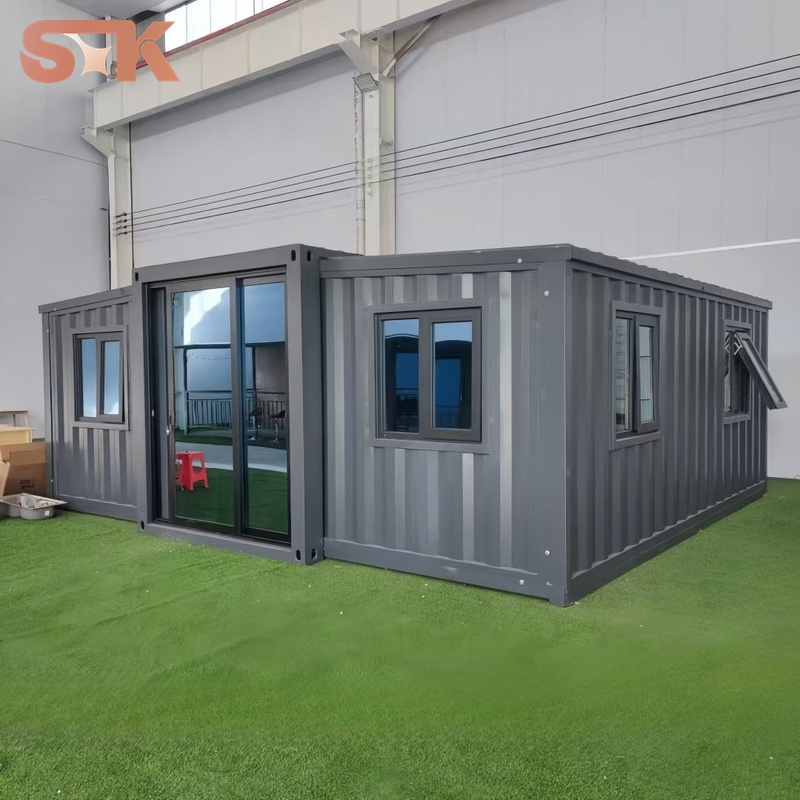
The defining feature of an expandable house is also its Achilles’ heel: the side wings extend, fold, and slide. That mechanical complexity creates natural weak points.
Many current designs lack adequate structural stability at the connection points. Under extreme wind loads, these joints can deform or even fail completely – and in the worst cases, lead to injury. More critically, traditional connecting systems have no wind‑relief function; they rely purely on brute strength, with no engineered mechanism to reduce the dynamic pressure of gusts.
Industry data is alarming: independent surveys show that about 15% of customer complaints relate to structural deformation or connector fatigue. To cut costs, some manufacturers use sub‑standard steel or thin profiles whose load‑bearing capacity and wind resistance are simply not up to code.
Picture this: in howling winds, the very component that was supposed to hold your “fortress” together is the first to loosen. That’s not wind resistance – that’s playing roulette with nature.
Pain Point #2: Corrosion – Six Months of Salt Spray Can Turn “Hurricane‑Proof” into “Paper‑Thin”
Expandable houses are typically deployed outdoors – on salty coastlines, in tropical rain forests, or in freezing alpine zones. These are exactly the enemies of bare steel.
Without heavy‑duty anti‑corrosion treatment, ordinary steel will start to rust, connectors will seize, wall panels will warp, and fasteners will loosen within six months to a year of exposure. This not only shortens the service life drastically but also creates hidden structural hazards that may only reveal themselves during the next storm.
A real‑life case: a coastal campsite owner bought a cheap expandable unit; after just half a year, the hinges were so corroded that the side extension couldn’t slide out at all. The “hurricane‑resistant” house was defeated by salt fog long before any hurricane arrived.
Pain Point #3: Sealing and Waterproofing – A Hurricane Turns It into a Waterfall
By design, expandable houses are full of seams: rail gaps, moving‑joint clearances, panel‑to‑panel junctions. On a sunny day, they are invisible. But when a typhoon unleashes its downpour, these gaps become superhighways for water intrusion.
Worse, repeated expansion and retraction cycles constantly wear down the tracks, rollers, and hinges. Over time, these components loosen, deform, or rust, causing the sealing performance to plummet. Even the best silicone sealants age and crack under UV and temperature swings.
A disgruntled user from Hainan put it bluntly: “When the typhoon hit, water gushed in through the expansion seams like a faucet. The whole floor was flooded. The dealer said it was ‘normal’ – Normal? Do I need to raise fish in my living room now? ”
Pain Point #4: Thermal and Acoustic Insulation – An Oven in Summer, a Freezer in Winter
Steel is an excellent conductor of heat – that physical law doesn’t change just because you slap a “hurricane‑resistant” label on it.
Most expandable houses are built with steel frames and sandwich panels. Under summer sun, indoor temperatures skyrocket; in winter, heat escapes rapidly. Without effective insulation, comfort goes out the window – and air‑conditioning bills go through the roof.
A social‑media post from a frustrated owner: “At noon, it felt like walking into an oven. I set the AC to 16°C and it still couldn’t cool down.”
Noise insulation is equally problematic. Thin walls mean you hear your neighbour’s phone call and footsteps above. You’ve paid thousands for a “tin‑can speaker” – how long can you tolerate that?
Pain Point #5: Logistics, Installation, and Legal Red Tape – The Dream Meets Hard Reality
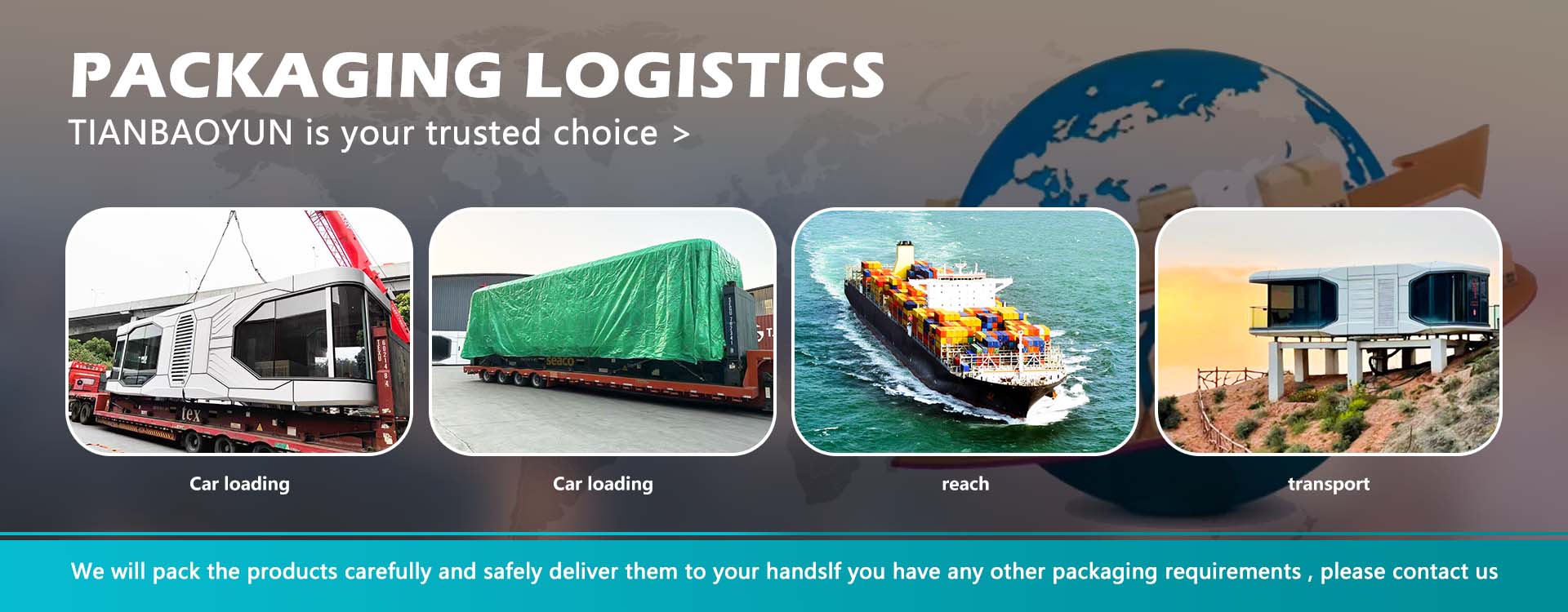
Transportation costs and difficulties: Hurricane‑prone areas are often remote islands or rugged coastlines. Long distances drive up shipping expenses, and oversized trucks can’t always navigate narrow access roads – a frequent logistical nightmare.
Installation quality is a gamble: Poor workmanship or substandard components often lead to project delays. Worse, some units that are marketed as “resistant to Category‑8 winds” have been known to collapse in a mild breeze (Category‑4). There’s a Pacific Ocean‑sized gap between the advertised wind rating and real‑world performance.
Permitting and zoning nightmares: Even if the house itself is structurally sound, without proper planning permissions it simply cannot legally exist. Expandable houses often fall into a grey area of building codes – they are neither “temporary structures” nor “permanent buildings” in many jurisdictions. You buy it, you love it, but you can’t legally install it – and that heartbreak is more common than you think.
Pain Point #6: After‑Sales Service – The Empty Promise of “Lifetime Warranty”
This is the most hidden yet devastating pain point.
Many manufacturers boast “10‑year warranty” or “lifetime maintenance” during the sales pitch. But once the project is delivered, response times are sluggish, spare parts are unavailable, and technicians are nowhere to be found. Even worse, small‑to‑medium manufacturers go bankrupt within two or three years, turning that “lifetime” promise into worthless paper.
Buyers commonly face four big anxieties: doubt about real quality and safety standards; fear of unreliable delivery and installation; uncertainty over long‑term maintenance; and confusion when trying to choose the right supplier among a sea of options.
One angry online review sums it up: “They said it could withstand a Category‑8 storm, but it fell over in a light gale. Customer service told me: ‘You should retract it when the wind gets strong.’ – Then what did I pay for the ‘hurricane‑resistant’ feature for? ”
Final Words: Three Golden Rules Before You Buy
Hurricane‑resistant expandable houses are not a scam by nature. The real traps are shoddy construction, exaggerated claims, and ghosting after‑sales.
If you’re considering one, stick to these three rules:
Always demand material test reports. Choose hot‑dip galvanised steel and ask for official mill certificates (Q235B or Q355B) along with structural calculation sheets.
Always vet the manufacturer. Prefer those with ISO 9001 or equivalent quality certifications. Visit the factory if possible – inspect the welding, painting, and assembly processes with your own eyes.
Always get every warranty clause in writing. Specify coverage scope, response time, spare‑parts availability, and labour costs – before you sign the contract.
A hurricane‑resistant expandable house should protect you from the storm – not from your own trust. Keep your eyes wide open, and don’t let “wind‑resistant” become “risk‑resistant”.


